Neuroaesthetics:The science behind why beauty heals
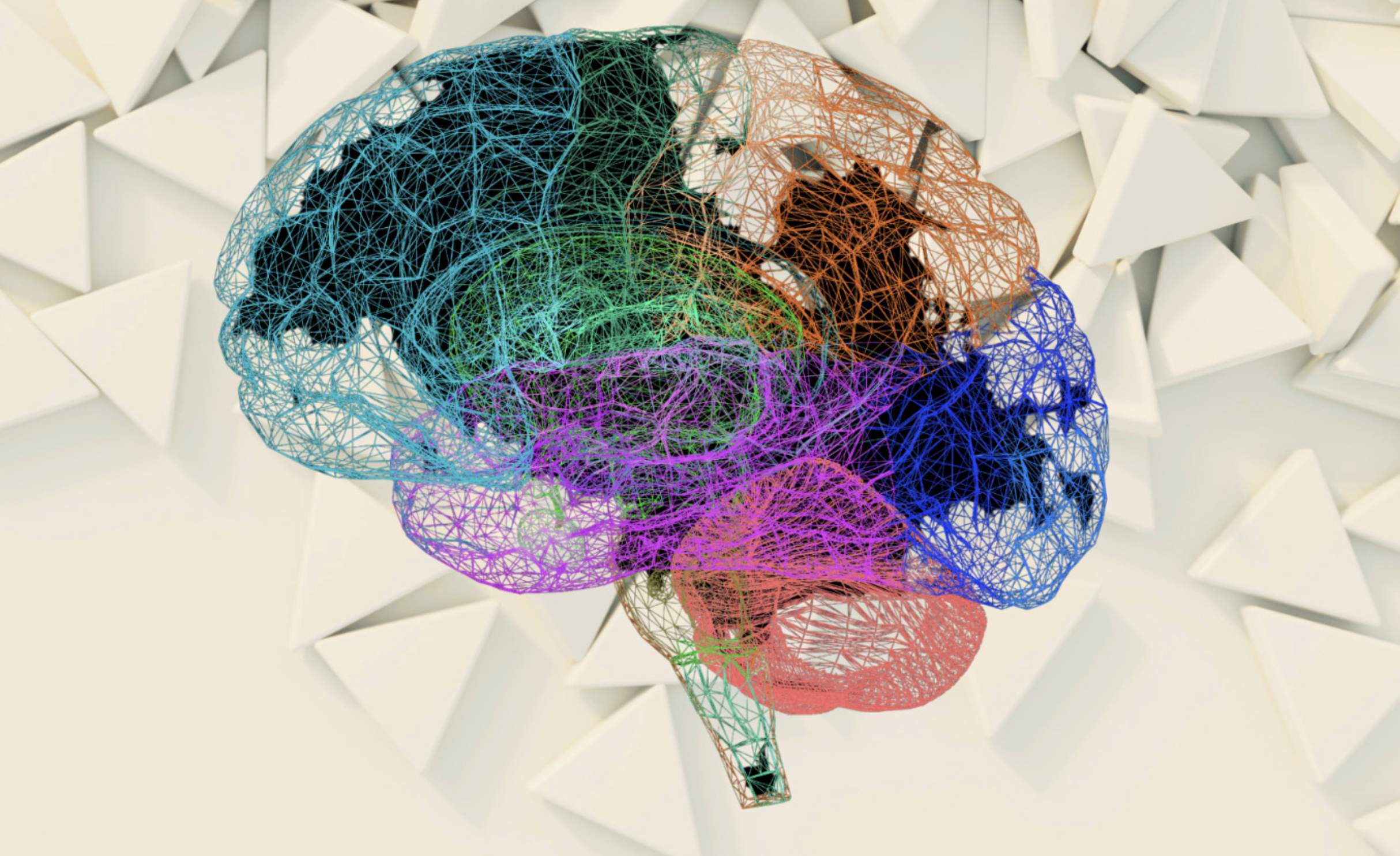
Neuroaesthetics is the study of how the brain responds to beauty… to art, color, music, nature, and design. It shows that what we experience through our senses is not passive. It is shaping us in real time.
And as an Art Therapist I love this is being explored. Let’s dive in.
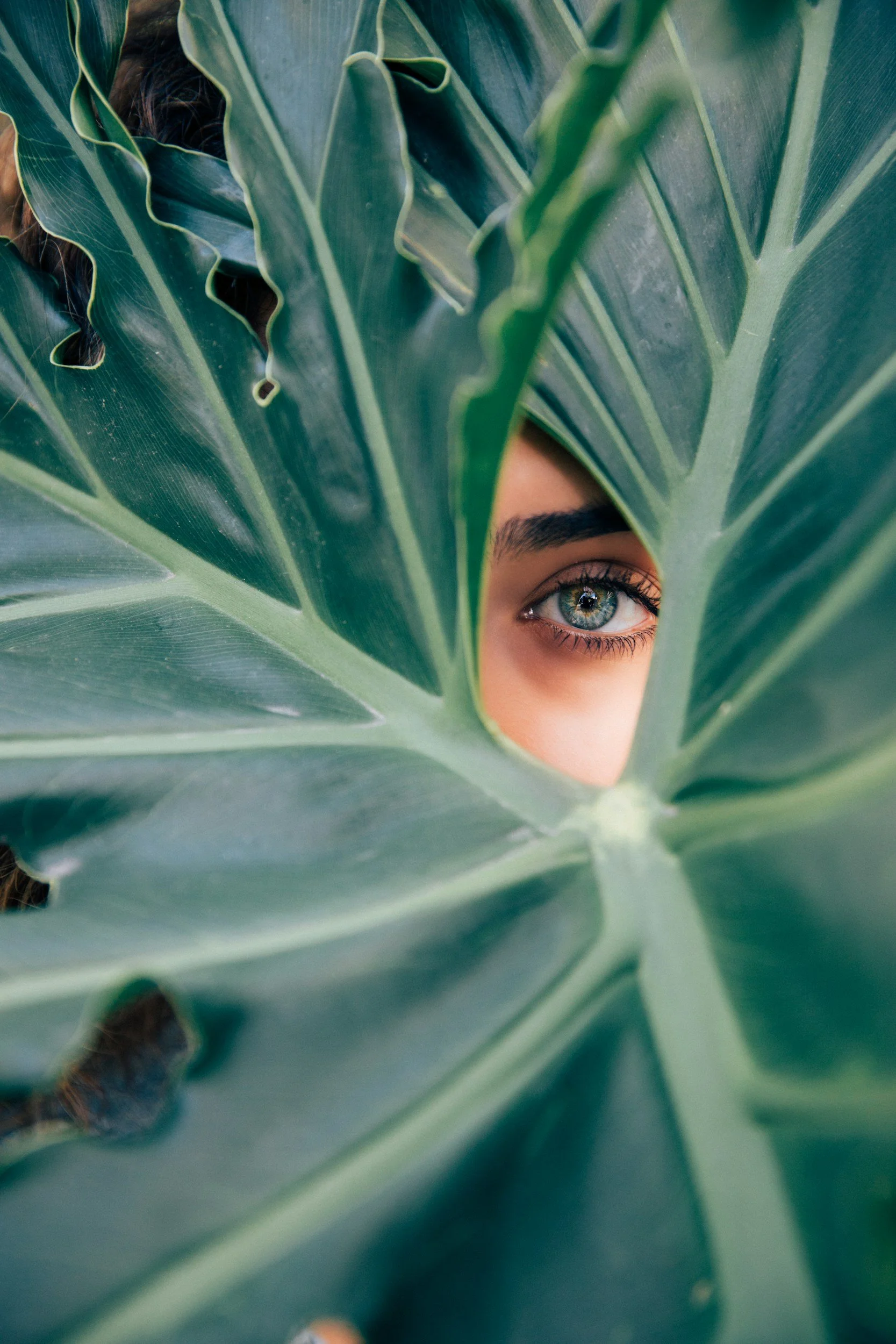
So color, art, beauty, healing, and regulation all play into neuroaesthetics. Research points to three systems working together in every aesthetic experience:
The sensory system, which takes in color, texture, light, and rhythm
The emotional system, which assigns value and activates pleasure through the brain’s reward pathways
The meaning system, which connects what we perceive to memory, identity, and personal story
When something feels beautiful to us, it activates parts of the brain associated with reward, often releasing dopamine… the same chemical linked to motivation, pleasure, and connection.
This happens whether we are looking at a painting, a face, or a landscape.
Beauty is not optional. It is biological.
Studies also show that engaging with art, color, and intentional environments can reduce stress, support healing, and improve overall well-being. This is why the spaces we live in, how we dress, products we use, the colors we choose matter.
Your body is always responding.

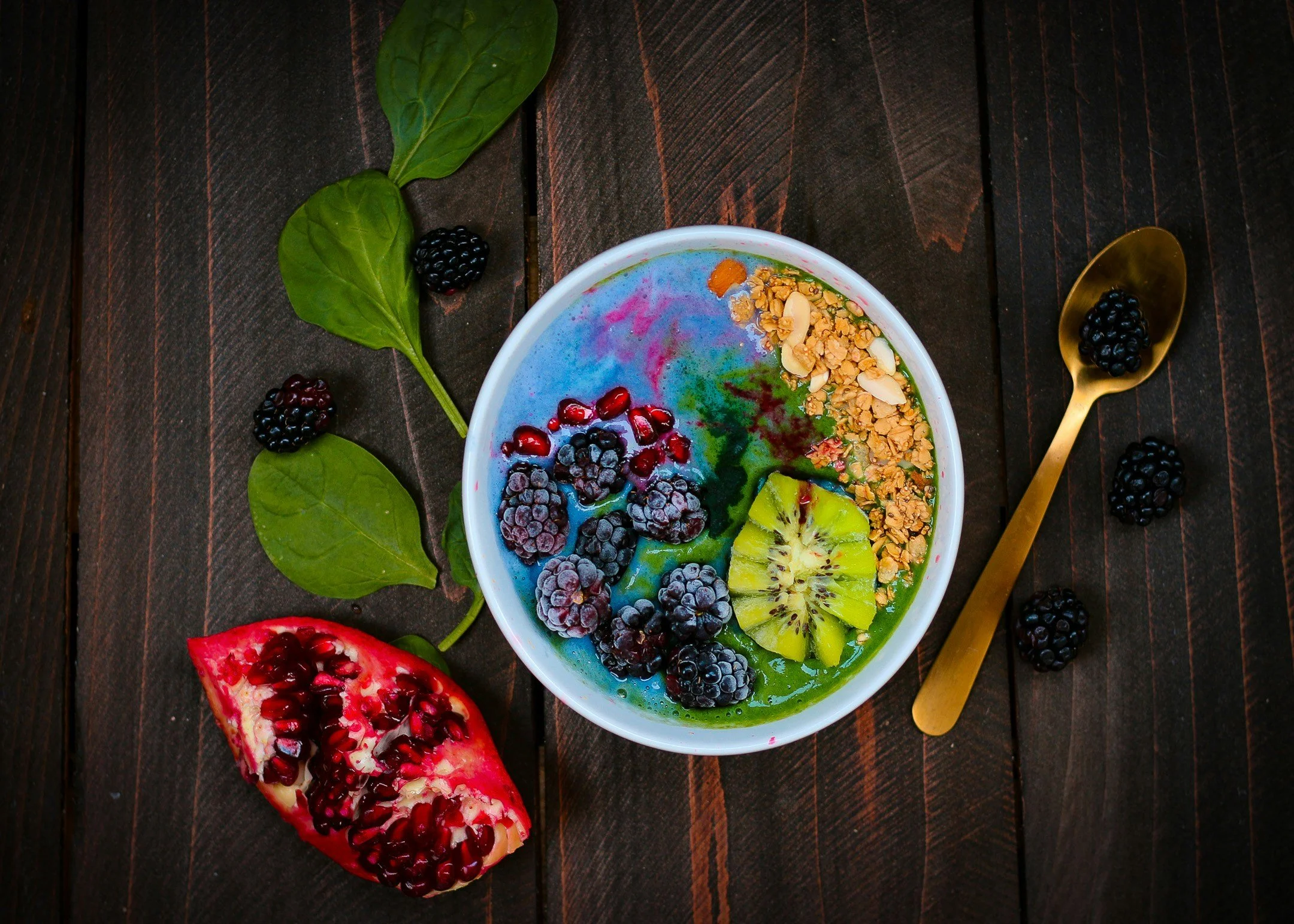
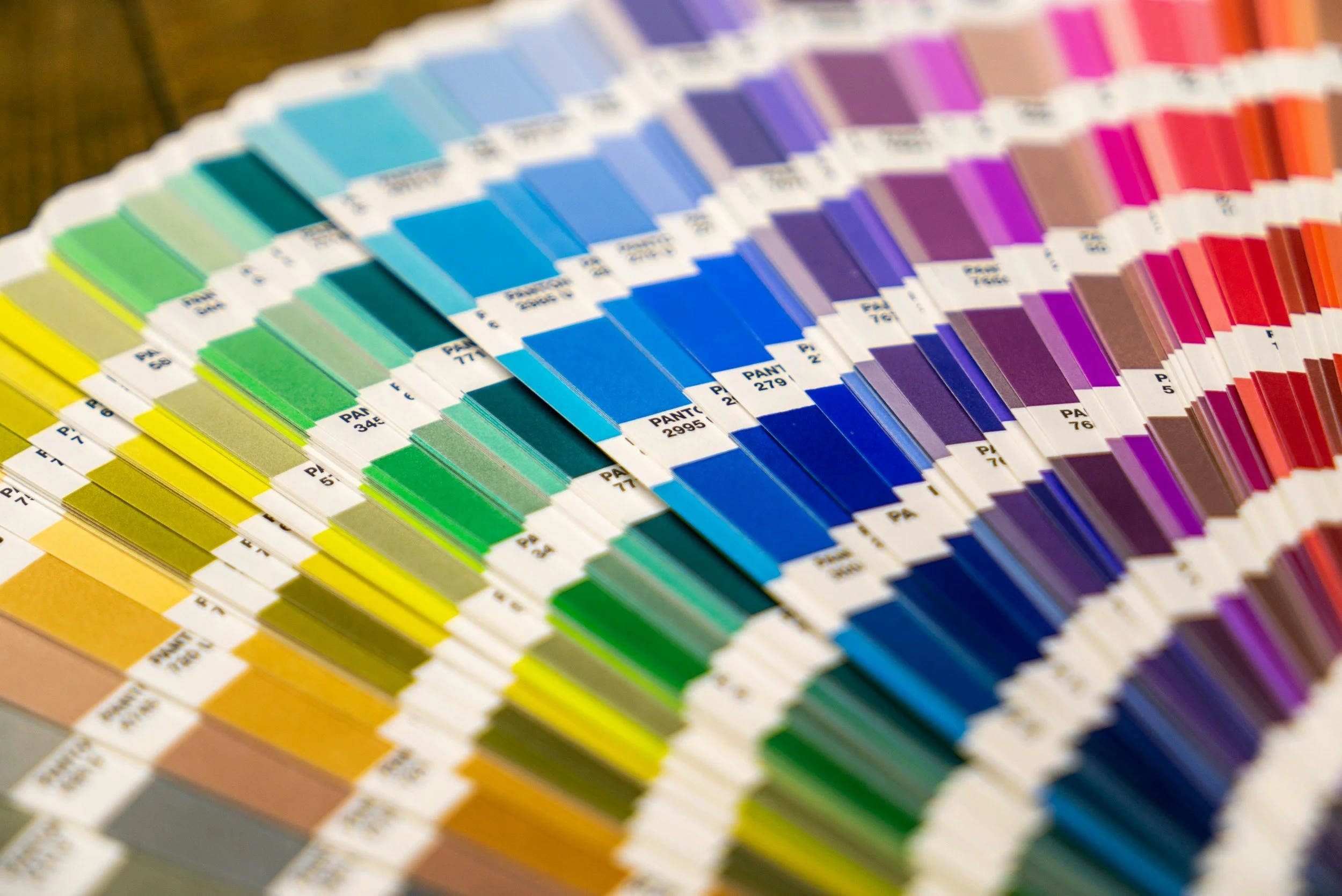
Art, Color, and Healing
This is where art therapy and color begin to come in. Engaging with art… even simple creative acts like drawing, painting, or working with color… allows the body to process emotion beyond words. It can access parts of the brain that don’t rely on language, which is why it’s so powerful for healing, integration, and expression.
Studies have shown that creating or engaging with art can reduce stress, lower cortisol, and support emotional regulation. Color specifically plays a direct role in how the nervous system responds. Certain tones and environments can signal safety and calm, like soft greens, blues, and earth tones, create space and openness, and support focus, clarity, or restoration. This is why nature feels the way it does, and why certain spaces feel grounding… and others don’t. Your body is always responding to color.
Neuroaesthetic Color Theory
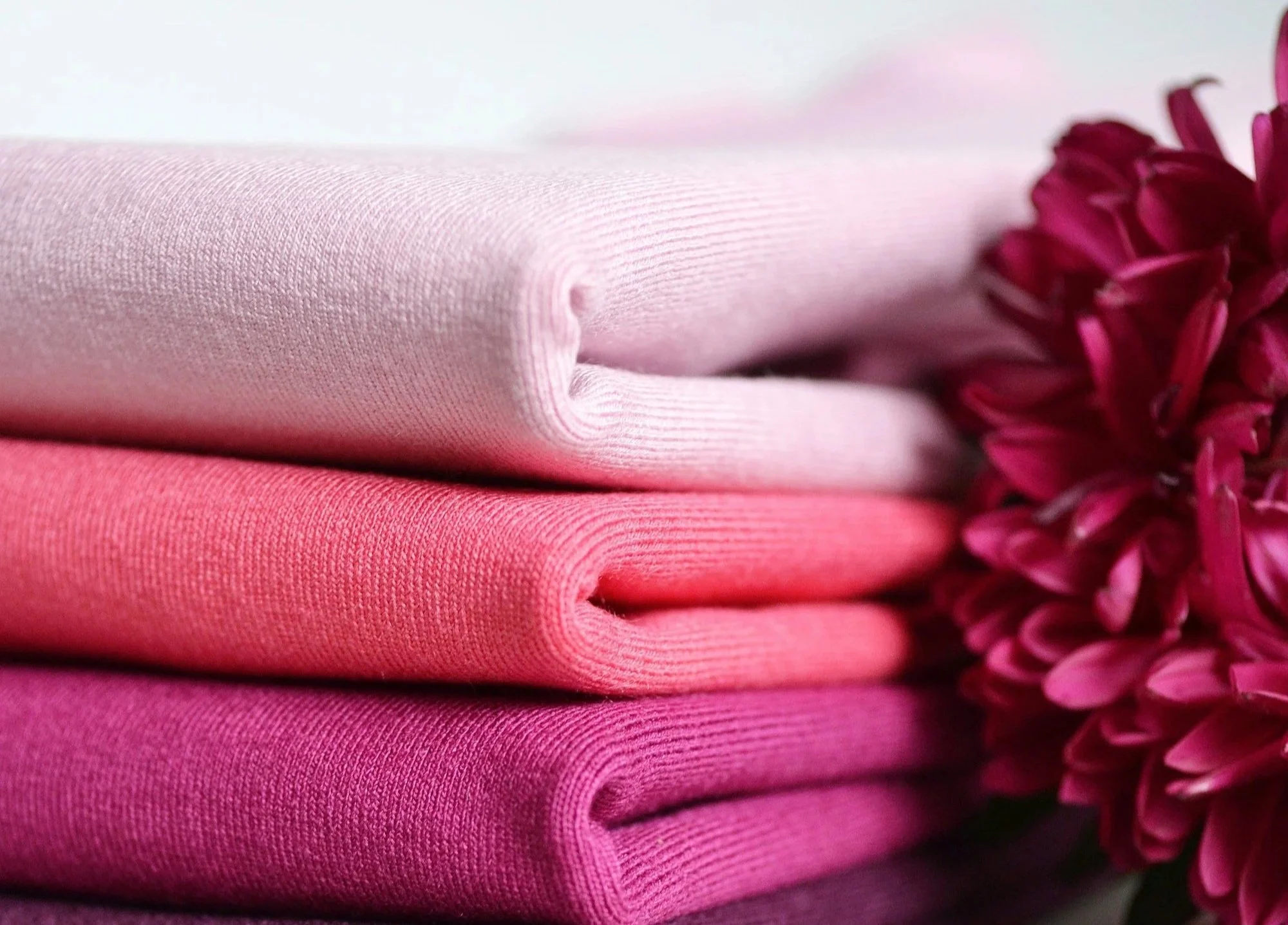
Recent research has evolved color theory from subjective “feelings” into measurable neural interventions. High-saturation, bright colors like vibrant oranges or corals can trigger dopamine release, boosting motivation and energy, while low-saturation, muted tones like sage green or soft blue increase GABA activity, which promotes calm and focus.
There is also an element of evolutionary safety. Colors like deep blues and greens are processed by the brain as safe because they reflect life-sustaining elements like water and healthy vegetation, naturally lowering stress responses. Therapeutic palettes are already used in clinical settings. Blue and green tones are often used in hospitals to reduce anxiety. Red can stimulate appetite but may also increase heart rate if overused. Pink has been shown to reduce anger and aggression.
Living Color: Dressing & Designing for Your Nervous System
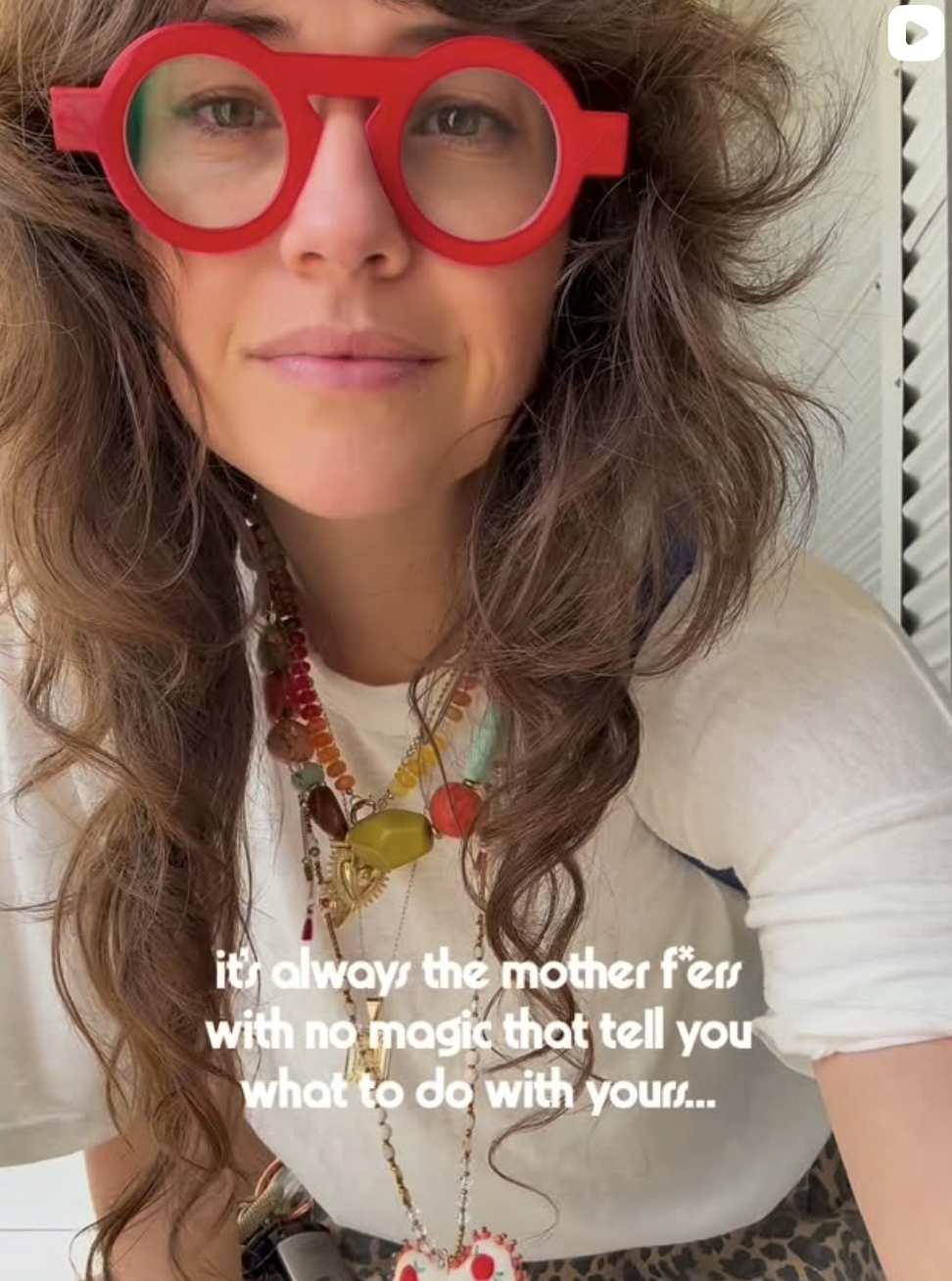
An account I love that is inspiring me during this move to Oregon and shift. chelseagettingdressed
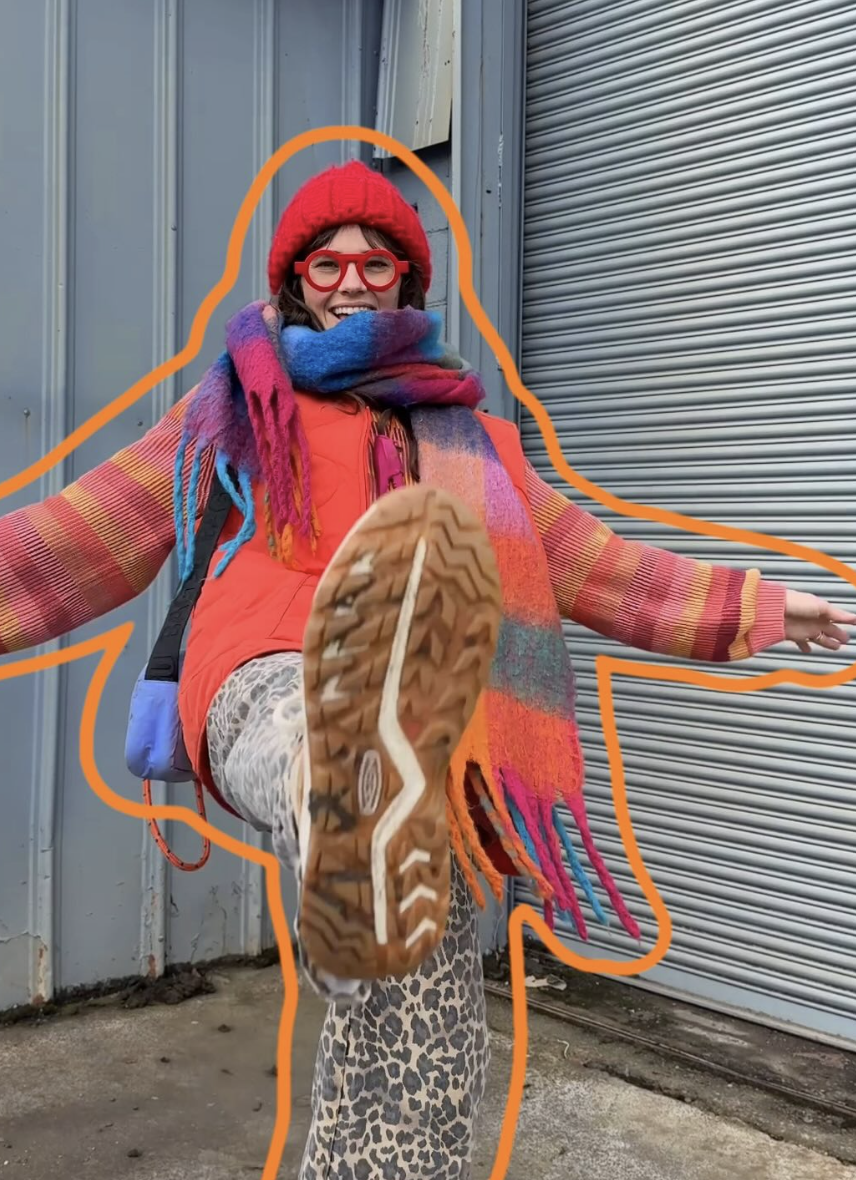
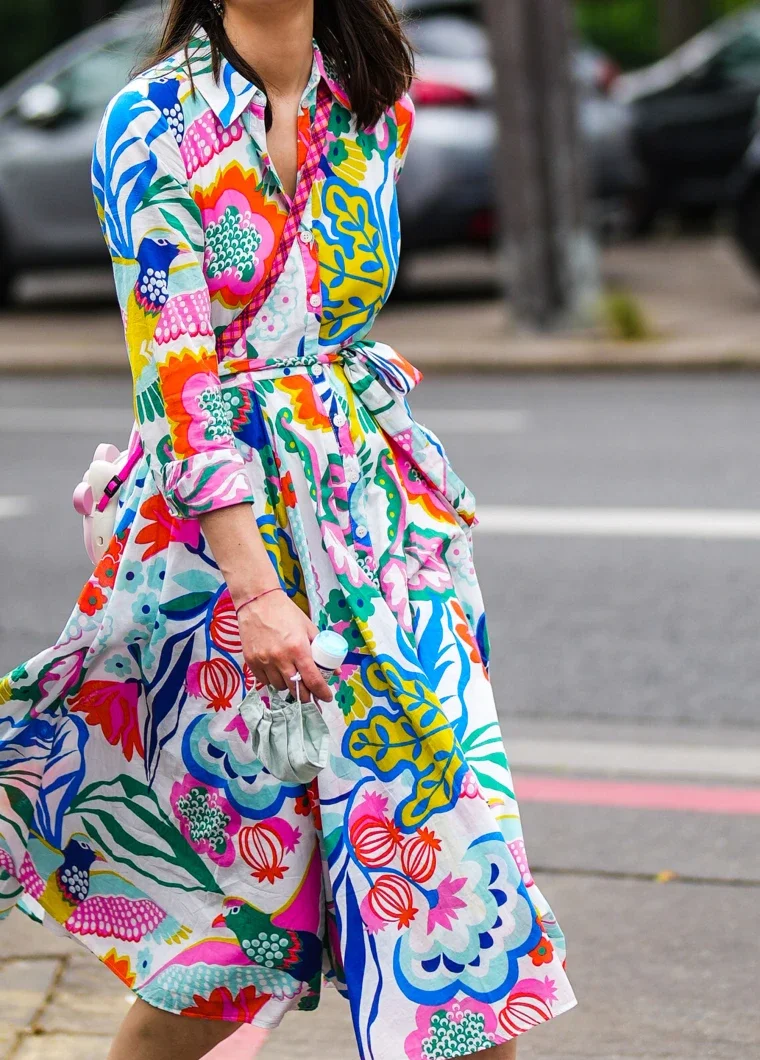
Dopamine Dressing at it’s finest, chelseagettingdressed
Dopamine dressing, the practice of wearing clothes and colors that boost your mood.
Some might say letting your inner child come forward in practical ways. Essentially it’s the neuroaesthetics showing up in fashion, using external visual and sensory stimuli to trigger an internal shift in how you feel. But also I believe being more of yourself, untamed.
The science behind it is rooted in a few key ideas.
One is enclothed cognition, the understanding that what we wear influences how we think and feel. When you put on something you associate with confidence, ease, or joy, your body begins to respond in alignment with that. The other is color association. Our brains link colors to memory and meaning. A soft neutral might feel grounding, while a bright tone might feel energizing or expressive.
Dopamine dressing isn’t about wearing the boldest color in the room. It’s about resonance. If a soft beige makes you feel calm and held, that is your version of it. If bright color gives you energy and movement, that is also valid. Texture plays a role as well. Soft fabrics, natural fibers, or something that feels good against your skin can lower stress and bring your body into a more regulated state. Even patterns can carry meaning. Something nostalgic or familiar can create a sense of comfort and subtle joy. One account I love to follow on IG chelseagettingdressed. She is bold, fun, and inspiring. I also believe she has given me permission to begin the shift I have been visioning. As I settle into the frequency here in Oregon I feel my inner artist coming out everywhere. I have always mixed patterns and worn graphic tees but this evolution is different stay tuned.
So what about your space?
The same principles apply to the spaces you live in.
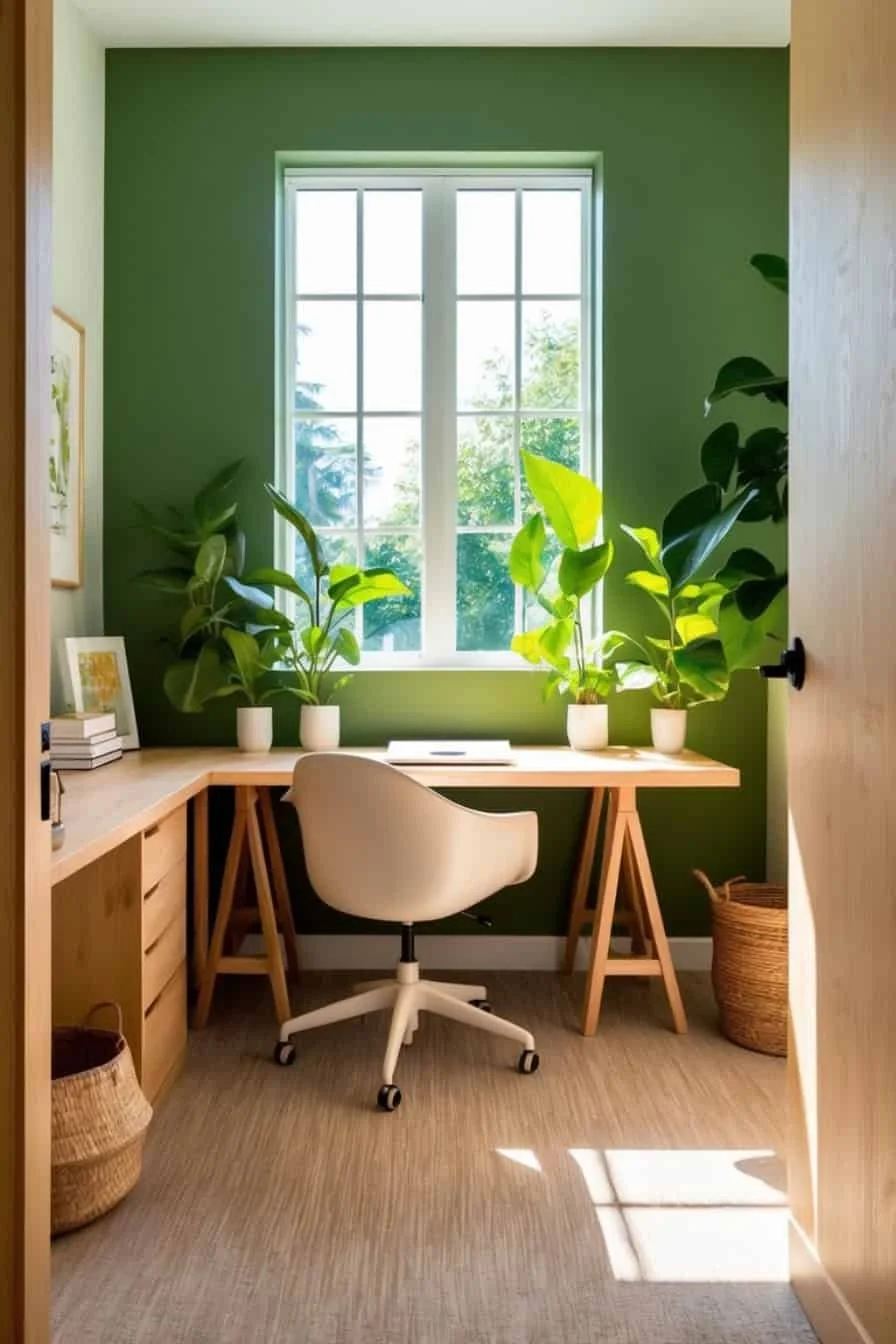
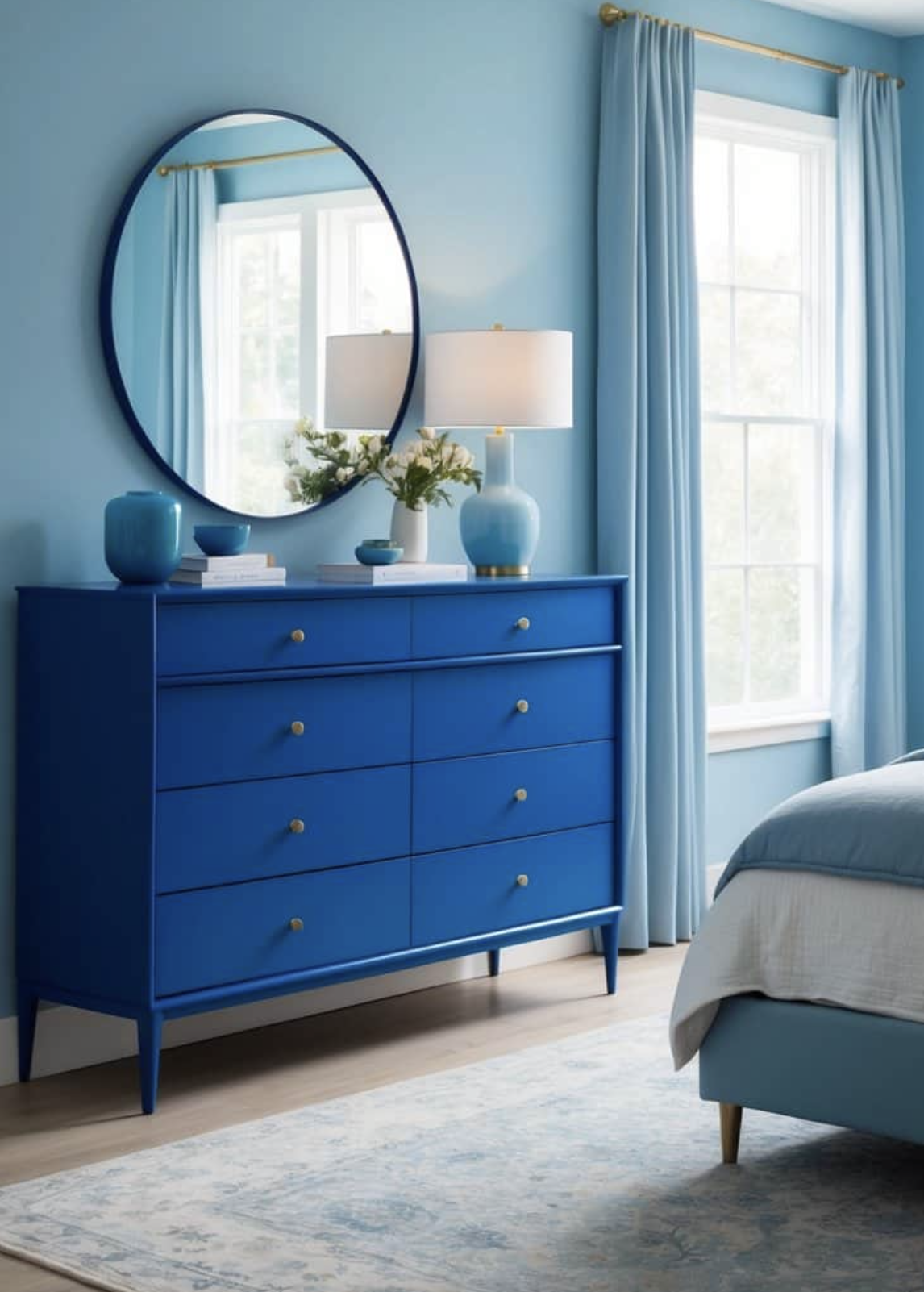
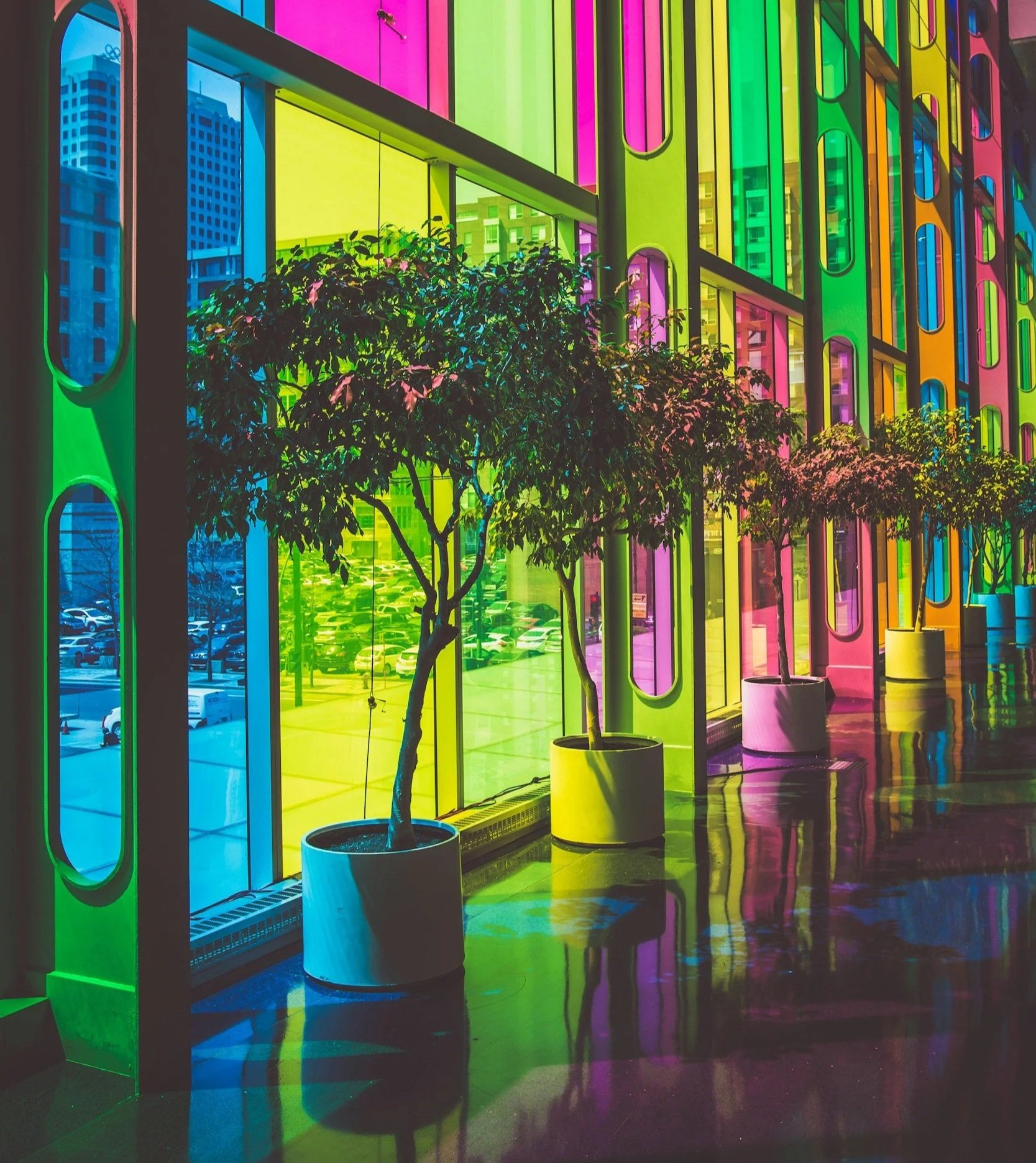
Designing a personal environment with neuroaesthetics means using color, form, and light to support how you want to feel. Instead of decorating by style, you begin by choosing based on state. Bedrooms can lean into cooler tones like soft blues, sage greens, and muted lavenders to support rest. Workspaces benefit from mid-tone greens and blues for clarity and focus. Social and creative spaces can incorporate warmer, grounded tones like terra cotta, soft peach, or marigold to encourage connection.
The intensity of color often matters more than the color itself. Highly saturated tones used everywhere can overwhelm the nervous system, while a balanced approach allows regulation. Neutral or calming tones create a base, with supportive colors layered in, and brighter accents used intentionally for energy and movement.
Form and texture also influence how a space feels. The brain tends to read curved, organic shapes as softer and safer, while sharp angles can create subtle tension. Natural materials like wood, stone, wool, or clay bring a grounding quality through touch, reinforcing a sense of stability.
Light is one of the most powerful elements. Natural light supports your internal rhythm and overall well-being. In the evening, softer and warmer lighting helps the body shift into rest, while harsh overhead light can keep the system activated.
A way to begin is simply to notice. What colors calm your body? What textures feel grounding? What environments make you exhale? What do you feel drawn to wear?
Follow that. Your nervous system already knows.
Considertions when Dressing and Designing for Feeling
1. Dopamine vs. GABA
High-saturation, bright colors (like vibrant oranges or corals) can trigger dopamine release, boosting motivation and energy. Low-saturation, muted tones (like sage green or soft blue) increase GABA activity, which promotes calm and focus.
2. Evolutionary Safety
Colors like deep blues and greens are processed by the brain as “safe” because they reflect life-sustaining elements like water and healthy vegetation, naturally lowering stress responses.
3. Therapeutic Palettes
Blue/Green: Frequently used in hospitals to lower patient anxiety.
Red: Can stimulate appetite (used on red plates for dementia patients) but can also increase heart rate and trigger mild fight-or-flight responses if overused.
Pink: Known in clinical settings for reducing anger and aggression.
4. Define Your Rooms by “Neural Intent”
Instead of decorating by style, choose palettes based on the biological state you want to achieve in each room. Bedrooms can lean into cooler hues like soft blues, sage greens, and dusty lavenders to support rest and recovery. Workspaces benefit from mid-tone blues and greens for focus and clarity, while avoiding heavy contrast that increases cognitive load. Social and creative spaces can incorporate warmer, muted tones like terra cotta, soft peach, or marigold to encourage connection and ease.
5. Balance “Chroma” and “Satiety”
The intensity (saturation) of color is often more impactful than the hue itself. Avoid “color drenching,” where highly saturated colors overwhelm the nervous system. A balanced approach works best: a majority of calming tones, supportive secondary colors, and small amounts of brighter accents for energy and movement.
6. Incorporate Biological Forms & Textures
The brain is wired to respond to shape and material. Curved, organic forms feel softer and safer, while sharp angles can create subtle tension. Natural materials like wood, stone, wool, or clay provide grounding through touch, reinforcing stability and calm.
7. Optimize for Your Circadian Rhythm
Light is one of the most powerful influences on the body. Natural light supports your internal rhythm and well-being. In the evening, softer, warmer lighting helps the body transition into rest, while harsh overhead lighting can keep the system activated.
Finding Your Way
If you feel ready to go deeper into art, dopamine dressing, or understanding your own elemental blueprint for bringing color into your life and self-care, you’re invited to book a reading. I offer both prerecorded and live sessions depending on how you want to receive the work.
If your body and being are asking for something more immersive, private retreats are how I am working in person right now. Long weekends, solo or duos. We co-create an experience designed for reconnection, regulation, and remembering your own rhythm and magic.
You can choose one, both, or neither.
You are the one who knows what you need.
And whatever you choose, your heart already recognizes it is time to return.