Color Heals: Beauty, Belonging & Our Relationship With the Living World
I’ve been thinking about color lately. How it affects us, how we respond to it, and how much of our relationship with the world happens before we ever put words to an experience.
As an artist and art therapist, I’ve always been fascinated by the way color communicates. It can evoke a memory, shift our mood, draw our attention, or help us express something we haven’t quite found the language for. Sometimes we’re drawn to a particular color without understanding why. Other times, a color we once loved no longer resonates in the same way.
And lately, living in the Columbia River Gorge, I’ve been thinking about color in an entirely different context.
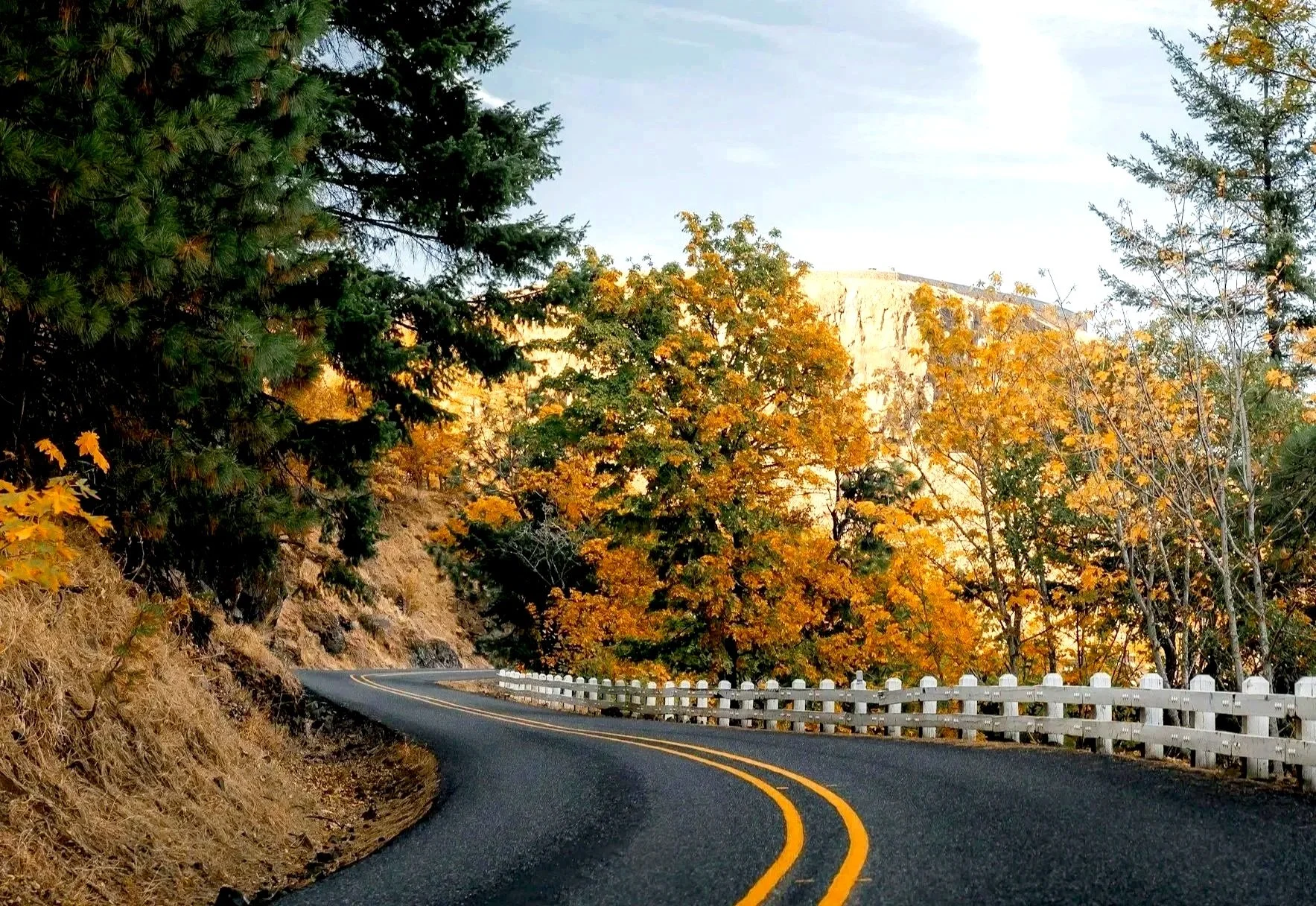
I’m surrounded by orchards, mountains, pine forests, changing leaves, and landscapes that seem to transform throughout the day. The light changes, the colors shift, and something familiar becomes entirely new depending on the time, weather, and season. One of the reasons the Pacific Northwest and Costa Rica have always resonated with me is because the color green is present year-round.
It’s made me think about the relationship between beauty, our senses, and the environments we choose to inhabit.
The Psychology of Color
Color is one of the first ways we experience our surroundings. Before we consciously analyze a space, an image, or a landscape, our visual system is already processing differences in light, contrast, saturation, and hue.
And those experiences can influence how we feel.
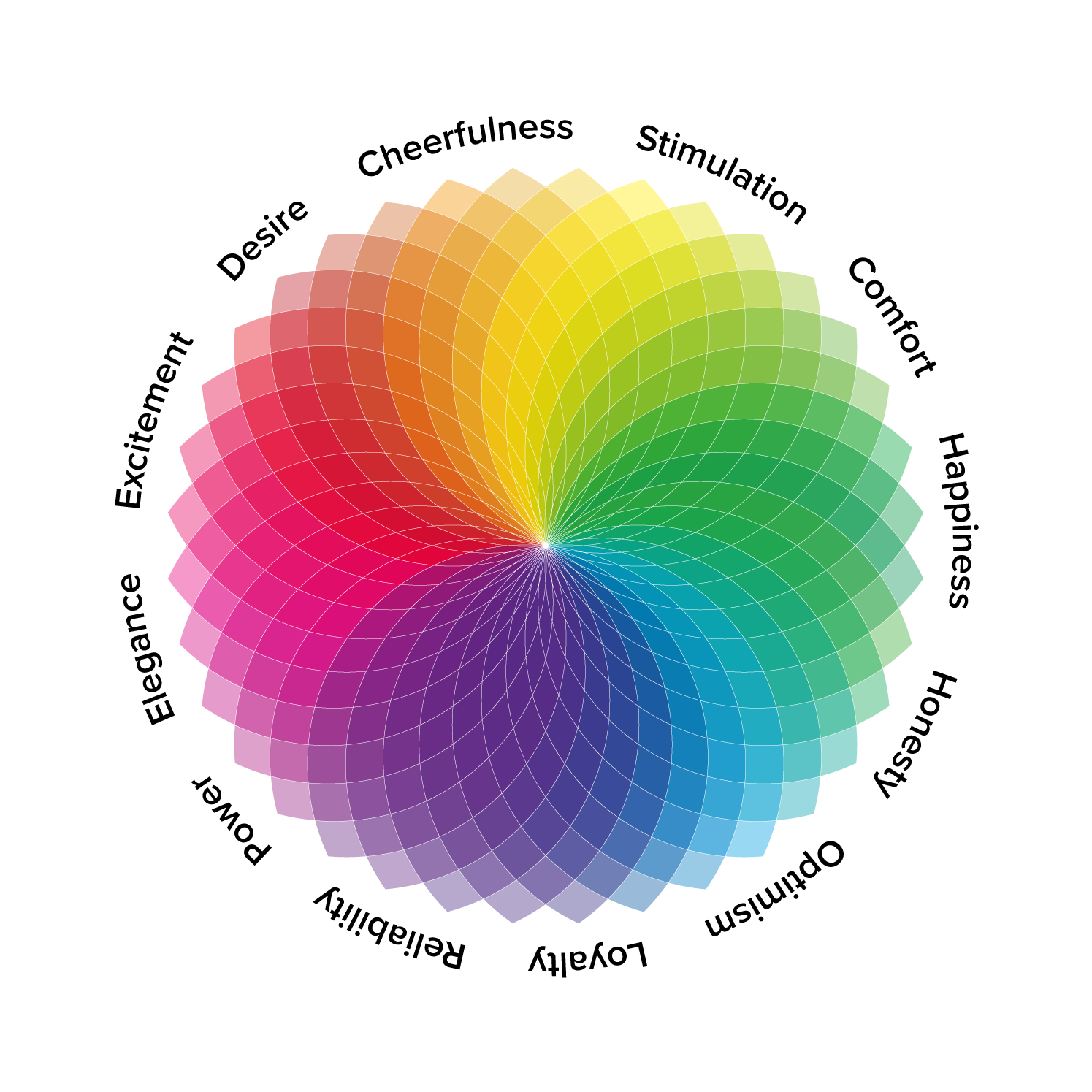
Color psychology explores the relationship between color and human emotion, perception, and behavior. There is an entire industry around analyzing and predicting color, including the ways it can influence attention, emotional responses, and our experience of an environment, although these effects are shaped by context, culture, personal associations, and individual preferences.
Blue and green are often associated with calm, restoration, and the ocean and forests. Warm colors such as red, orange, and yellow may evoke energy, warmth, or excitement and bring to mind the colors of the sunrise, fruit, and brightness. But these associations aren’t universal, and no single color produces the same response in everyone.
Sky blue might remind one person of a particular day in the sun, while another associates it with sadness or a difficult memory.
This is something I find especially meaningful through the lens of art therapy.
Color offers us another language.
We don’t always have to understand why we’re drawn to a color to begin exploring what it represents for us. The act of choosing, combining, layering, or even rejecting certain colors can become an opportunity for self-awareness.
Art gives us permission to explore those responses without needing to immediately explain them. And sometimes the process itself can be regulating, expressive, and deeply restorative.
What Happens When We Experience Beauty?
There is something fascinating about the way beauty captures our attention and can make us feel small in the grand landscape of this world and experience wonder.
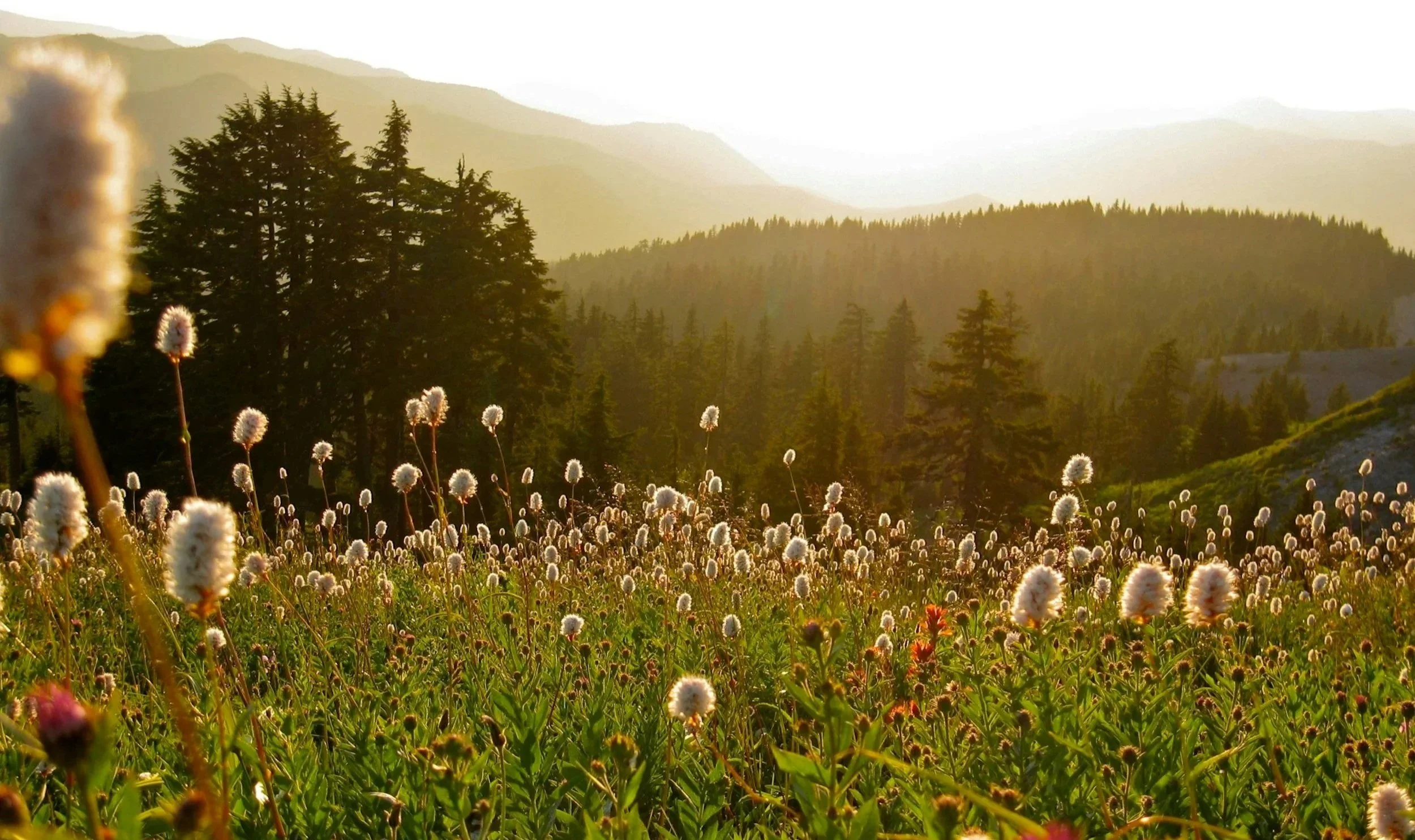
A sunset can interrupt an entire train of thought. The colors of autumn can make us stop walking. The way sunlight filters through leaves can transform an ordinary moment into something magical.
These experiences engage more than our visual senses.
Our perception of beauty involves emotion, memory, attention, and the meaning we associate with what we’re seeing. Experiences of awe, particularly in nature, have also been studied for their relationship to well-being, connectedness, and shifts in perspective.
I have found myself wondering lately if perhaps there’s another dimension to this. What happens when we move beyond admiring beauty and begin developing a relationship with what we’re experiencing?
When we stop treating the natural world as scenery and begin recognizing ourselves as participants within it? That we are actually part of nature?
Mount Hood, the Land & Reciprocity
Recently, I encountered a perspective about Garsta, the name I was told to call Mount Hood when I connected with her, that deeply resonated with me.
The message was that the mountain and the land don’t want to simply be consumed. They don’t exist merely to be watched, photographed, admired, or taken in as another experience. They invite interaction, connection, personal experience, and reciprocity. I’ve been sitting with that.
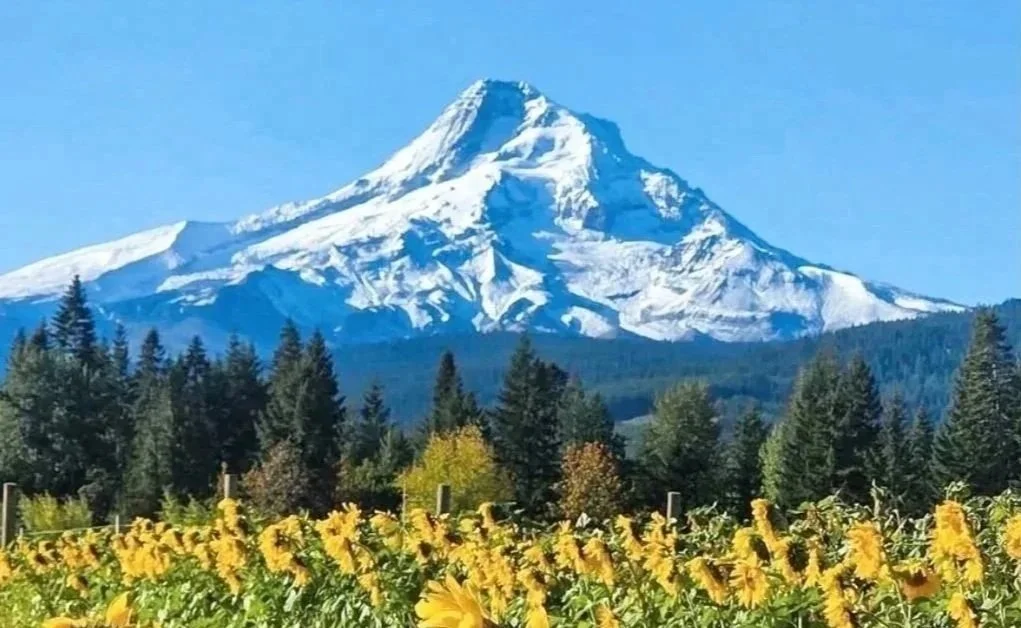
We live in a world where so much of what we encounter becomes something to consume. We photograph beautiful places, collect experiences, share them online, and move on to whatever captures our attention next.
And there is nothing inherently wrong with appreciating or documenting beauty.
But what happens when our relationship with a place goes deeper than what we can take from it? What does it mean to know a landscape through its changing seasons? To notice the way the light moves across a mountain, the colors of the orchards as fruit ripens, or the way the air feels before a storm? What does it mean to care for a place that is also nourishing us? To make an offering of words, emotions, or song?
Reciprocity introduces something important into that relationship. It asks us to consider what we bring to the places, people, and experiences that give so much to us, and to recognize that we are just as important to those places as they are to us. Our attention. Our respect. Our care. Our participation. And perhaps our willingness to be changed by the relationship.
And I’ve been thinking about how much of that relationship happens through our senses. The colors, textures, light, and movement of the natural world are constantly communicating with us, inviting us to notice and respond. We don’t experience a landscape the same way every time we encounter it. The landscape, and even we ourselves, are never quite the same.
Think about how many of our cells regenerate over the years, and how a natural place changes over that same period. We are the common denominator in our experiences, yet we, too, are constantly changing. So what happens when we return to connection with the land as stewards rather than consumers?
This is where I see a connection between my experience of the land and my work as an artist and art therapist. Both involve an ongoing relationship between what we’re experiencing externally and what is happening within us. Color becomes one of the ways we engage in that exchange, inviting us to slow down and contemplate life differently.
Color as a Living Experience
When we look at a painting, we experience color through the choices of the artist, the materials, the composition, and our own interpretations.
When we create art, we interact with those colors. We make decisions, respond to what emerges, change direction, and discover something through the process.
And when we experience color in nature, we’re engaging with something that is constantly changing.
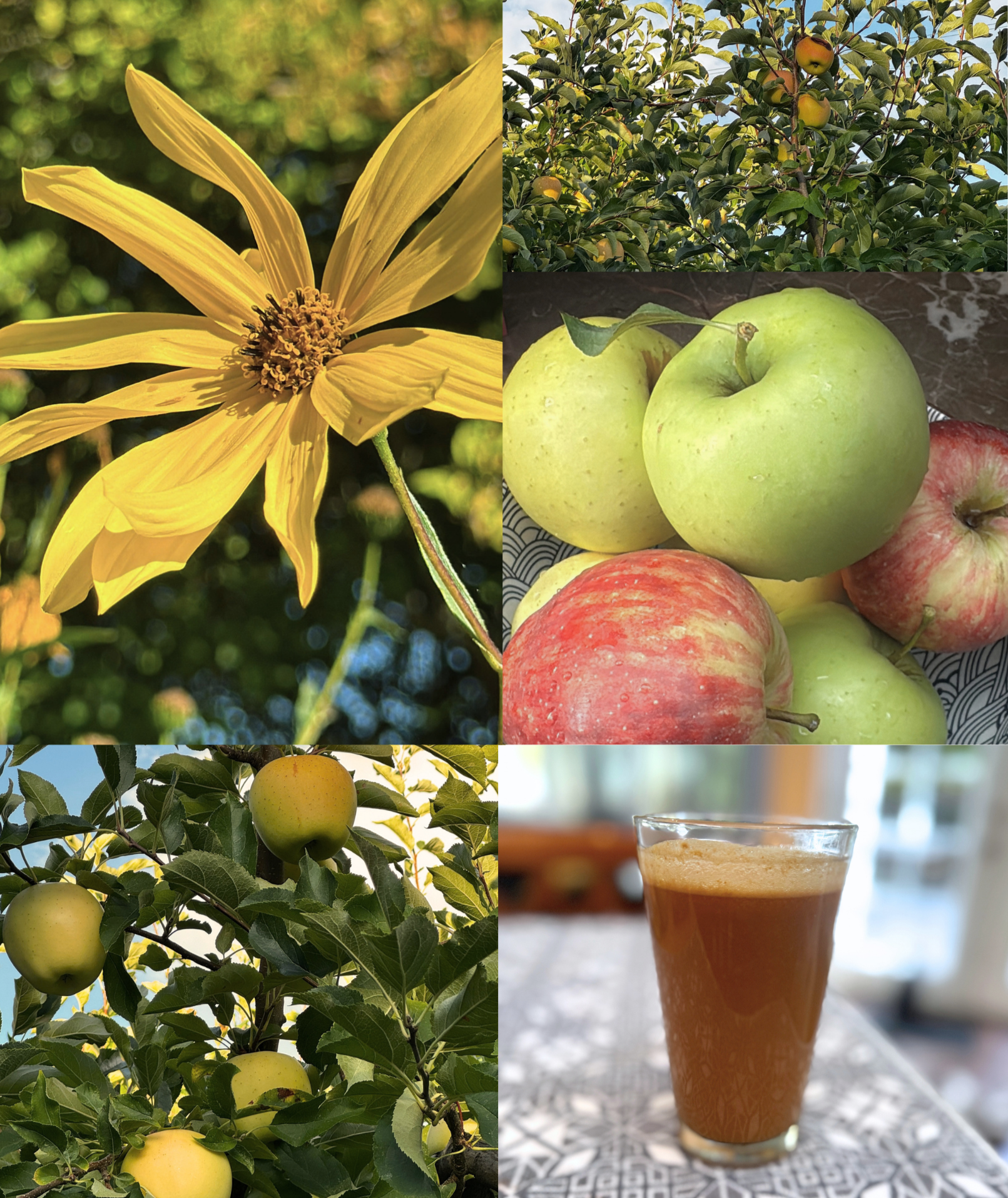
The same mountain can appear blue, violet, gray, or golden depending on the light and atmosphere. The trees that were green only weeks ago become yellow, orange, and red. Even the colors of the river change with precipitation and the sky.
There is no single version of the landscape. And our experience of it changes, too. We bring our memories, emotions, expectations, and state of mind into every encounter. A landscape we barely notice one day might move us deeply the next.
Perhaps that’s part of what makes our relationship with color so personal. It isn’t simply about the color itself, but about the interaction between what we’re seeing and what we’re experiencing internally.
Healing Through Creativity & Connection
In art therapy, creative expression offers opportunities to explore our internal world through something tangible.
An emotion can become a color. A memory can become an image. An experience that feels overwhelming or difficult to explain can begin to take shape through texture, movement, composition, and form.
And the relationship with the artwork can evolve as we engage with it.
We can add something, remove something, cover a layer, introduce a new color, or simply sit with what we’ve created.
There is room for curiosity and possibility.
I see a parallel between that creative process and developing a relationship with the natural world. Both invite us to pay attention.
Both offer opportunities to notice our responses and explore what those responses might reveal. They remind us that we are part of an ongoing exchange with our surroundings.
Healing isn’t necessarily something that happens because we encounter a particular color or visit a beautiful place. But our experiences with art, beauty, and nature can create meaningful opportunities for expression, reflection, emotional regulation, connection, meaning-making, and even catharsis.
And those experiences can become part of how we see, understand, and care for ourselves and our relationship with the world.
Beyond Consumption
I keep coming back to the idea of reciprocity. Because I don’t think this applies only to our relationship with the land. It makes me consider how we interact with art, creativity, other people, and even ourselves.
How often do we move through experiences looking for what they can give us?
Inspiration. Entertainment. Information. Validation. Something beautiful to share.
And how often do we allow ourselves to be fully engaged with what is in front of us? Or even think about what we bring to it?
Can we experience something without immediately needing to capture it, explain it, or turn it into something else?
As someone who creates and shares my work, this is an interesting question to sit with.
There is a difference between being seen and being known. Between having our work consumed and having it genuinely experienced. Between collecting inspiration and allowing it to influence how we live, creating something within our own inner landscape to explore.
And perhaps reciprocity also asks us to examine the energy we exchange through our creative work, our relationships, and our everyday choices.
What are we feeling in response to art, nature, and life?
What are we valuing and giving our attention to?
What nourishes us?
What are we contributing in return?
What is our impact?
Everyday Illumination
One of the things I’ve always loved about art is that it changes how we see.
We begin noticing relationships between colors, patterns, textures, and forms that might otherwise go unnoticed. And I think living here in the Gorge is inviting me to experience that awareness beyond the canvas.
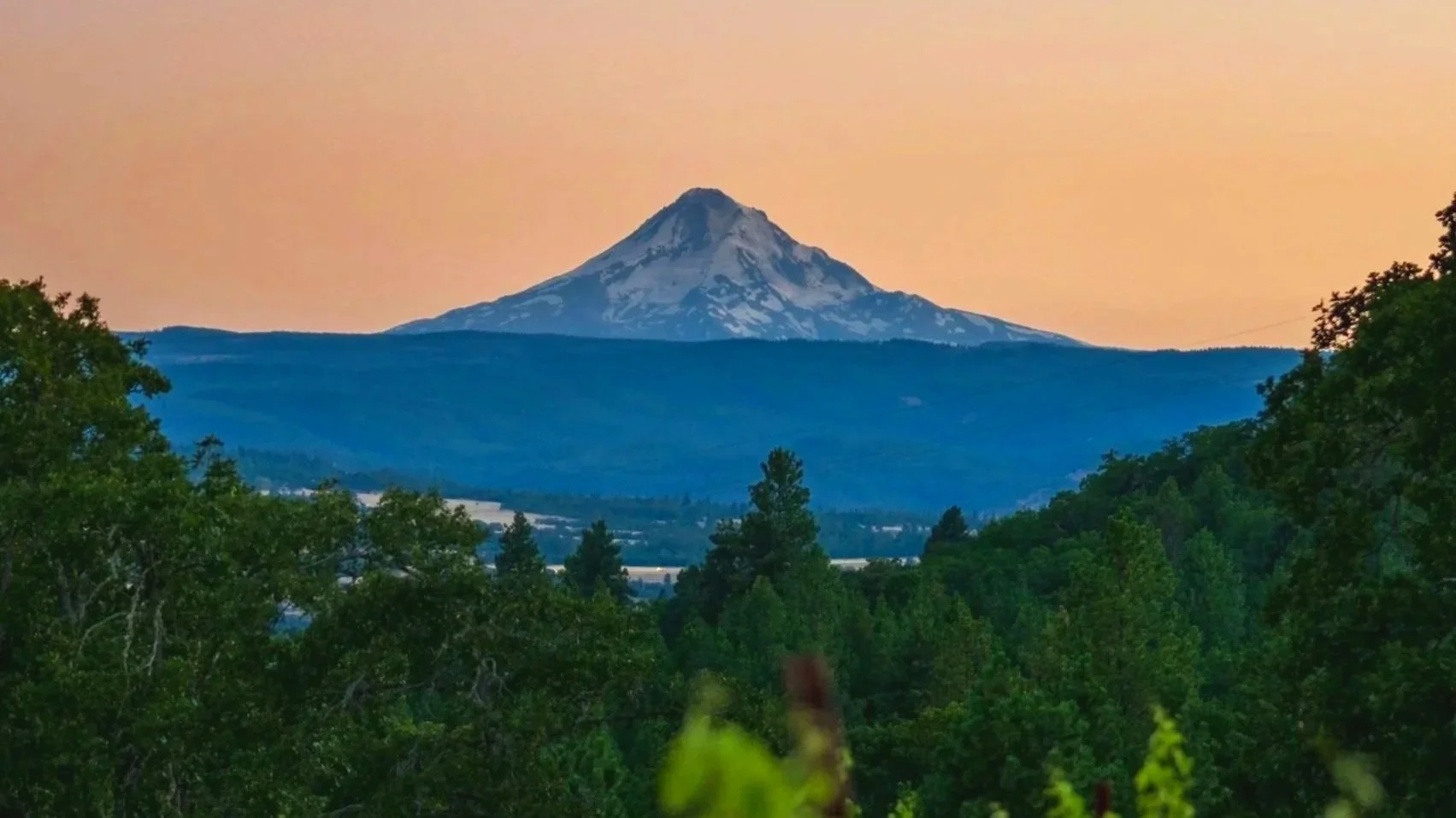
To notice the colors of the seasons. To pay attention to the places I’m drawn to. To recognize how my environment affects me and how I interact with it.
To consider what it means to belong somewhere, not simply because we occupy a space, but because we’ve begun developing a relationship with it.
Maybe that’s part of what I’m exploring when I say color heals.
The relationship between our senses, our emotions, our creativity, and the living world. The possibility that beauty can invite us into greater awareness, and that awareness can deepen our capacity for connection.
And perhaps the most meaningful experiences aren’t always the ones we capture or share. Sometimes they’re the ones we allow ourselves to participate in.
To notice. To interact with. To care for.
And to carry forward into how we live.
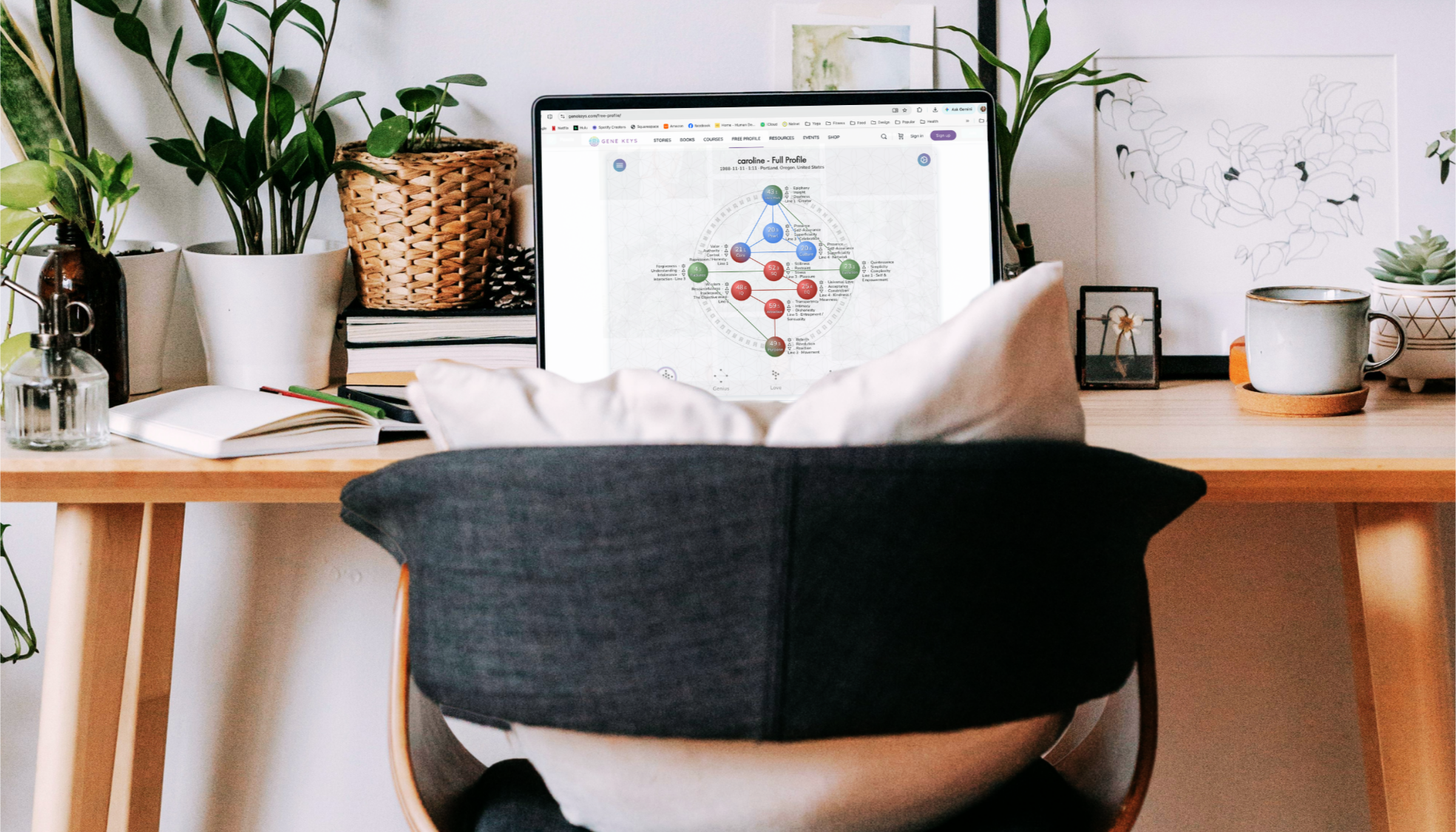
Book a Transmission Reading: When you book an hour of time is blocked out on my calendar to pull your charts, create a 20 minute recorded reading of your charts and finally do an oracle card pull from my unpublished decks to seal your reading.
Whether you're experiencing an awakening, navigating a major life shift, or simply longing for greater depth and alignment, these guides and readings are designed to meet you where you are. There is also a bundle of ll 3 guides flipbook style for a discounted rate here.
I am working on guides for Human Design and Gene Keys now if you are interested in exploring what they have to show you about your energy, body, and intuition and how they can work together to support you.
Uncover Your Natural Gifts & Purpose is a great place to start.
Uncover Your Natural Evolution is an introduction to understanding your healing path, how you grow and evolve.
Uncover Your Natural Gifts & Purpose is an introduction to understanding your soul purpose through astrology and embodied self-discovery.
Space to Be You is a companion for times of change, transition, and the in-between, offering reflections and practices to help you reconnect with yourself as life unfolds.
Other guides can be found here, Human Design and Gene Keys will be live in September 2026.
Essence, Vision Exploration & Live Integration
Sometimes the most meaningful shifts happen after the insight arrives. My 1:1 Exploration & Live Integration sessions are for those who have completed one of the guides or are aligned existing clients. Together, we'll explore what has surfaced, integrate the wisdom into everyday life, and, when helpful, use mindfulness, energy healing, your Astrology, Human Design, Gene Keys charts, and current life experiences to uncover your next steps with greater clarity and alignment. Book your Vision and Integration live sessions now.